
Earliest You Can Take a Pregnancy Test: What You Need to Know
Almost everyone who can get pregnant has had a moment where their stomach drops, and they immediately start searching online. Maybe your period is a day late. Maybe you had unprotected sex, and now you keep thinking about it. Maybe you feel fine but want answers so you can relax. Whatever brought you here, we understand. You are not alone, and carafem is here to help you figure out what is real, what is fear, and what you can do next.
When is the earliest you can take a pregnancy test?
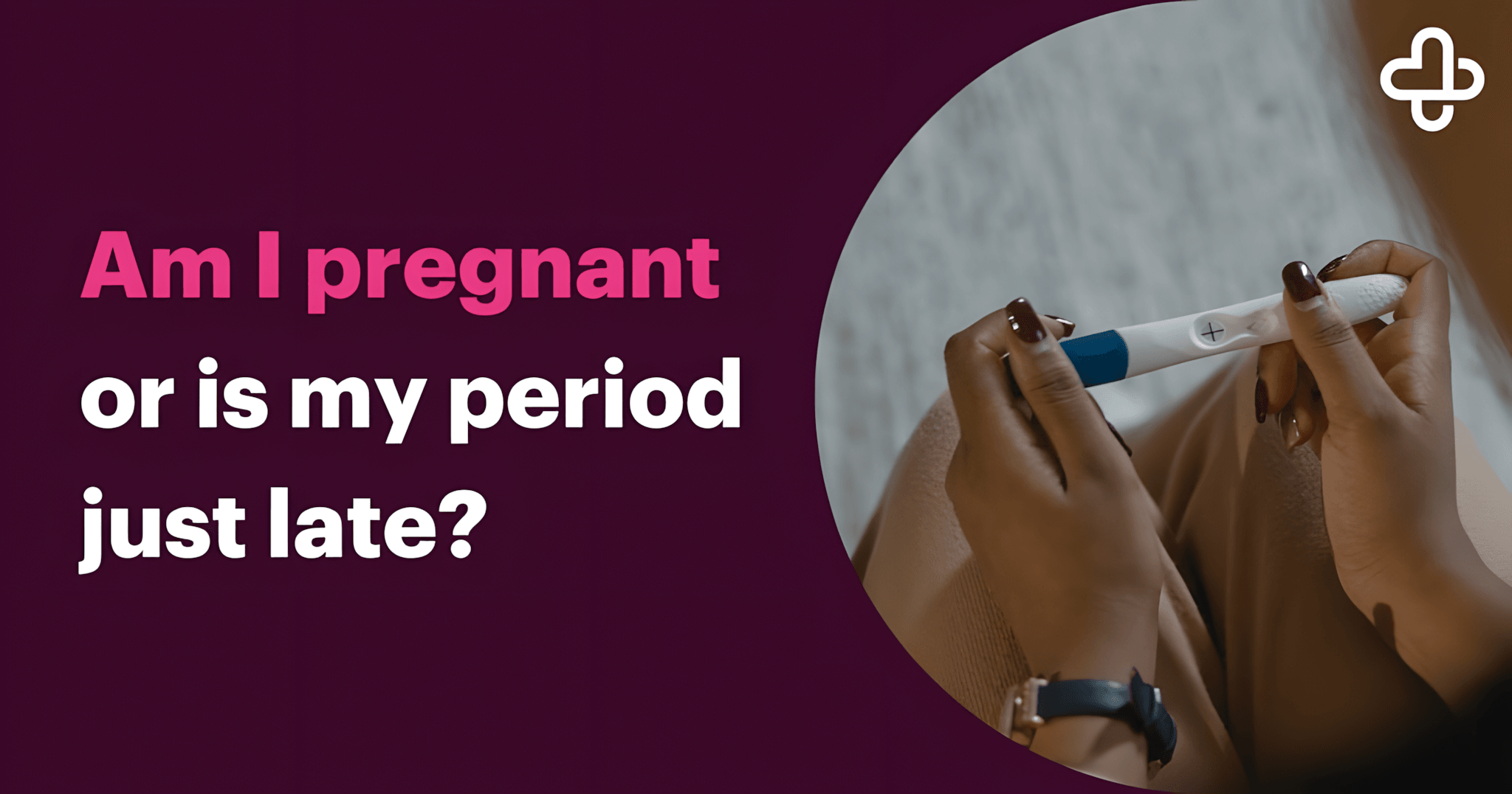
The earliest you can take a pregnancy test is about 10-14 days after unprotected sex. That is the soonest your body has had enough time to release hCG. hCG is the pregnancy hormone that urine tests look for. Some tests say they can find pregnancy earlier, and sometimes they do. But testing too early often leads to results that are wrong (false negatives).
Pregnancy tests work best on the day your period is expected, which is usually about 14 days after ovulation. If you want the most certain answer, wait until at least 21 days after unprotected sex. By that time, if your test is negative, you can trust that result. You are not pregnant.
I know waiting is the hardest part. Most people want the answer as fast as possible because not knowing feels worse than anything. But testing too early often causes confusion, stress, and makes you buy more tests. Giving your body enough time usually gives you a clearer, calmer way forward.
And remember, the sooner you have a correct result, the more choices you have. For example, medication abortion is usually available up to 12 weeks into a pregnancy. Some states have even earlier limits. This timing makes early, correct testing very important. It lets you make decisions that feel right for you with enough time.
What time of day should I take a pregnancy test?
If you want the most correct result, use your first urine of the morning. Your urine is more concentrated then, which means hCG is easier to find if it is there.
A few tips people often forget:
Make sure the test is not expired.
Follow the directions exactly. The timing window is important.
Do not look at the test again hours later. Evaporation lines can trick anyone. A real result must be read within the time limit given in the directions.
A test sitting in the trash for three hours will not tell you the truth. It will only cause worry.
What if I get a negative pregnancy test result, but I’m still worried I could be pregnant?
A negative result can bring a feeling of relief or a feeling of doubt. If your test is negative but you think it might be too early, wait a few days and test again in the morning. Those extra days really do matter for hCG levels.
If it has been more than 21 days since you last had unprotected sex and your test is still negative, you can trust that result.
But if your period has not returned and you have symptoms that feel unclear, it is smart to call a healthcare provider. Periods can be late for many reasons, including stress, travel, illness, changes in exercise, or just a random change in your cycle.
Your body is not a machine. It is allowed to be unpredictable sometimes.
What if I find out I am pregnant?
If your home pregnancy test is positive, you might know right away what the right choice is for you. And if you do not, that is completely fine. Many people need time to think about their feelings and consider the options of abortion, adoption, or parenting.
If you want support while you sort through what this means for you, All Options is a trusted place to start. They offer nonjudgmental peer support for people thinking about pregnancy decisions. The Pregnancy Options Workbook is another free guide you can use to check in with your feelings and review each option at your own pace.
If you are thinking about abortion, it is important to know the laws in your state. Limits on how far into a pregnancy abortion is available change a lot across the country. For more legal support options, you can reach out to Jane’s Due Process or If/When/How.
When is it too late for emergency contraception or Plan B?
Emergency contraception works for up to 5 days after unprotected sex. You can walk into almost any pharmacy in the United States and buy Plan B or a cheaper version right off the shelf. They all work the same, so you do not need the brand name.
Timing matters for how well it works. Emergency contraceptives work better the sooner you take them. They work best within the first 3 days.
If you want more information or are comparing options, check out this page here.
Emergency contraception options for different body weights
If you use an emergency contraception pill that has levonorgestrel (like Plan B) and you weigh more than 165 pounds, it may not work as well for you. In that case, ella can be a better choice because it usually works better for people in that weight range. If you weigh 195 pounds or more, ella may also be less effective, so it is important to know what your choices are.
No matter your weight, certain IUDs can be used as emergency contraception. They work up to 120 hours, or 5 days, after unprotected sex. This is the best form of emergency contraception available.
You deserve to have choices that fit your body and your needs. Knowing what works best for you can help you feel more sure and supported as you take your next step.
What if I want an abortion?
If you are thinking about an abortion, take a deep breath and remember that you are not alone. Abortion is common and is a normal part of reproductive healthcare. One in four people who can get pregnant will have an abortion in their lifetime.
A helpful first step is knowing the date of your last period. That gives you an idea of how far along you might be and which abortion options are open to you. Some people prefer medication abortion at home. Others choose in-office care. You can read more on our website about abortion pills online versus an in-office abortion procedure. This lets you choose the option that feels best for you.
It is also important to know the laws in your state. Abortion availability, time limits, and travel rules change widely across the country. Understanding what is allowed where you live can help you plan, avoid delays, and get safe care.
If carafem does not serve your state yet, you can find another trusted abortion provider or learn more about your options on the website I Need An A.
These days, getting abortion care can mean dealing with different state laws, online facts, and details you should not have to worry about. What has not changed is your right to know your choices and choose the care that feels right for you. With clear facts and support you can trust, you can move forward with confidence. And carafem is here to help you do exactly that.
Can I take a pregnancy test before a missed period, and are early-result tests reliable?
You can take a pregnancy test before a missed period. Some early-result tests are made to find hCG a little sooner than standard tests. But the marketing often promises more than is real. The truth is that even the most sensitive tests struggle to find pregnancy for sure before the recommended time.
As we said above, the earliest you can test and hope for a mostly correct result is about 10 to 14 days after unprotected sex. Pregnancy tests work best around the time your period is due. The clearest, most reliable results usually come at 21 days after unprotected sex. At that time, if your test is negative, you can trust that you are not pregnant.
So while early-result tests can sometimes find pregnancy before a missed period, they are not reliable enough to give you a clear answer you can act on. A negative result at that stage does not always mean you are not pregnant. It often just means it is too early.
If you are feeling worried or impatient, that is completely normal. Most people want answers as soon as possible. But waiting until the recommended time usually gives you a clearer, more correct result and a little more peace of mind as you figure out what comes next.
Can stress or illness affect my menstrual cycle and test results?
Yes. Stress can definitely delay a period. So can illness, hard exercise, weight changes, travel, and even a recent vaccine. Your menstrual cycle is sensitive to many changes in your body and daily life. So it is very common for a period to be late when something in your routine or health has changed.
What stress and illness cannot do is raise your hCG level, which is what a pregnancy test finds. That means they will not cause a false positive or false negative on a pregnancy test. If the test finds hCG, it is because your body is making it. If it does not, it is because your body has not made enough of it to be found.
The hard part is that a late period can feel scary, even when you are not pregnant. We totally get it.
What are the earliest signs of pregnancy before a positive test?
Some people notice changes like sore breasts, feeling tired, nausea, not liking certain foods, a stronger sense of smell, or needing to pee more often, even before a pregnancy test is positive. These can be early pregnancy symptoms, but some can also happen with PMS, stress, or normal cycle changes. That is why they are not reliable on their own.
If you are noticing symptoms and feeling unsure, you are not alone. The only way to know for sure is to take a pregnancy test once you are in the right testing time frame. That gives you the clearest answer and helps you plan your next steps with confidence.
Need help figuring out your timing?
Use the carafem Pregnancy Calculator to guess the best time to test and understand what your next steps could look like.
Or compare emergency contraception options to learn more before choosing one.
Frequently asked questions
Yes, some highly sensitive home pregnancy tests can detect the pregnancy hormone hCG as early as 8–10 days after conception, which could happen before your missed period. However, testing this early may result in a false negative. For the most accurate results, it's recommended to wait until after you've missed your period or at least 10-14 days after unprotected sex.
You can take a pregnancy test approximately 10 – 14 days after unprotected sex. This allows enough time for the fertilized egg to implant in the uterus and for hCG levels to become detectable. Testing earlier than this may not provide accurate results.
Early result pregnancy tests claim to detect pregnancy up to six days before your missed period. While they can be accurate for some, the likelihood of false negatives is higher when testing early. For more reliable results, consider waiting until at least 10-14 days after unprotected sex to take a pregnancy test.
Yes, factors like stress, significant weight changes, and certain medical conditions can delay your period or affect your menstrual cycle. However, these factors do not impact hCG levels, so they shouldn't cause a false positive or negative on a pregnancy test. If your period is late and pregnancy tests are negative, consult a healthcare provider.
Early signs of pregnancy can include fatigue, breast tenderness, nausea, or increased urination. These symptoms can occur before a positive pregnancy test but are not definitive indicators of pregnancy. Taking a pregnancy test is the most reliable way to confirm if you're pregnant.
One consideration — if you weigh more than 165 pounds, emergency contraception medication may be less effective for you. Unfortunately, there is not enough research to fully determine how effective emergency contraception medication is at different weights — after reviewing all available research in 2016, the FDA concluded the data was “conflicting and too limited to make a definitive conclusion.” Because of this, for people who weigh more than 165 pounds, we recommend speaking to a provider about ELLA, a prescription brand of EC that is not impacted by body size, so it’s equally effective for everyone.
Another option is going to a health center for the insertion of a Paragard IUD, which works to prevent pregnancy up to 5 days after unprotected sex. ELLA, the Paragard IUD, and generic Plan B medications are all options to prevent pregnancy even after unprotected sex.

Get the newsletter
Subscribe to our newsletter for reproductive health information and resources.